A widely used joint pain supplement may speed the progression of dementia and even increase mortality, according to a new study.


 How a joint supplement may overload the aging brain |
Glucosamine ranks among the most popular remedies for osteoarthritis, the joint disease that affects more than a third of people over age 65. A new study reports an unsettling pattern: among people already living with Alzheimer’s-related dementia, those who used glucosamine for at least a year faced a 25% higher risk of death. Among people with only mild cognitive impairment, that added risk disappeared.
The suspected mechanism is hyperglycosylation, an overactive coating of brain proteins with sugar molecules. Post-mortem tissue showed more of these sugar molecules in Alzheimer’s brains, and more still at later stages of the disease. Glucosamine slips easily into the brain, and in mice bred to develop Alzheimer’s, it deepened memory loss and accelerated nerve-cell damage.
The human data are observational and do not establish cause and effect, and the mouse work relied on an aggressive, accelerated form of early-onset Alzheimer’s. Even so, Harris Gelbard, who directs the Center for Neurotherapeutics Discovery at the University of Rochester Medicine, sees a practical signal. The evidence, he told Medical News Today, is “compelling enough... to have physicians suggest a cautionary note in self-medication.”
No supplement has been proven to treat or prevent dementia, and experts caution against starting or stopping any treatment without a doctor. The importance of timing remains an open question. At what stage of disease progression does glucosamine do harm? And should the millions of people taking it for stiff joints should think again?
To learn more about this research, jump to “Pain supplement glucosamine linked to faster dementia progression.”
Also making headlines this week:
💊 Weight loss drugs slash risk of 4 cancers by 50% or more, study finds
🦠 Epidemiologist answers 3 key questions about the Ebola outbreak
🧬 ‘World-first’ AI-designed vaccine tested on humans: Will it live up to the hype?
We love to hear from you, so please email us if you have any feedback, comments, or questions about this weekend’s Sunday Supplement.
Stay informed and stay healthy!
Tim Snaith
Newsletter Editor, Medical News Today
|
|
|
| MNT RESOURCE |
 |
| What is the link between trauma and schizophrenia? |
|
|
|
| Trauma, particularly in childhood, may increase the risk of psychosis symptoms and the development of schizophrenia. Read about the link here. |
| Trauma, particularly in childhood, may increase the risk of psychosis symptoms and the development of schizophrenia. Read about the link here. |
|
|
READ ON  |
|
|
|
| |
|
|
|
|
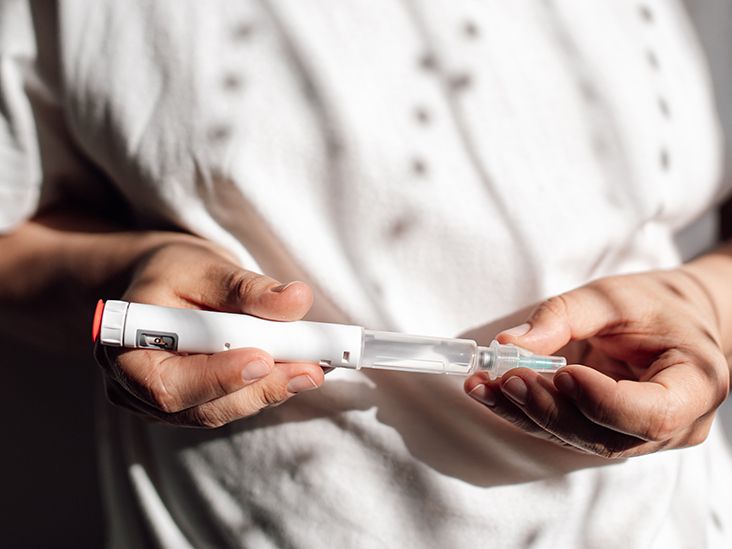
| Weight loss drugs slash risk of 4 types of cancer by 50% or more, study finds |
 |
|
|
|
| Scientists have found that GLP-1 medications, such as Ozempic, and Wegovy, is linked to a decrease in the overall risk of developing obesity-related cancers, especially with colorectal, pancreatic, and endometrial cancers. |
Read on  |
|
|
| |
| ‘World-first’ vaccine designed by AI tested on humans: Will it live up to the hype? |
 |
|
|
|
| Scientists have used AI to design a universal COVID vaccine and successfully tested it in humans. Two experts weigh in on how it was designed, the trial results, and the vaccine’s potential. |
| Read on |
|
|
| |
| Epidemiologist answers 3 frequently asked questions about the Ebola outbreak |
 |
|
|
|
| Infectious disease expert Monica Gandhi explains the fast spread of the Ebola virus, discuses current vaccine development options, and explains whether or not the public should worry. |
| Read on |
|
|
| |
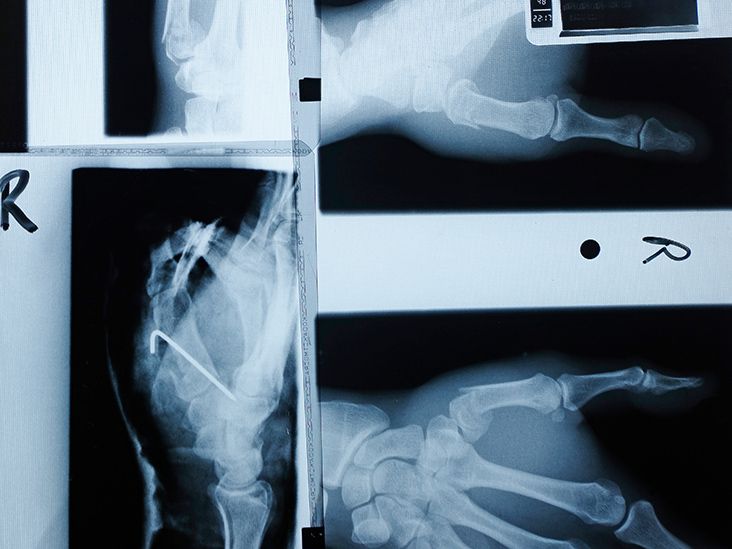
| GLP-1s may aid bone health as well as weight loss in type 2 diabetes |
 |
|
|
|
| Compared to other weight-loss medications, semaglutide appears to help the most with weight loss and is linked to a 15% decrease in bone fractures, a new study has found. |
| Read on |
|
|
| |
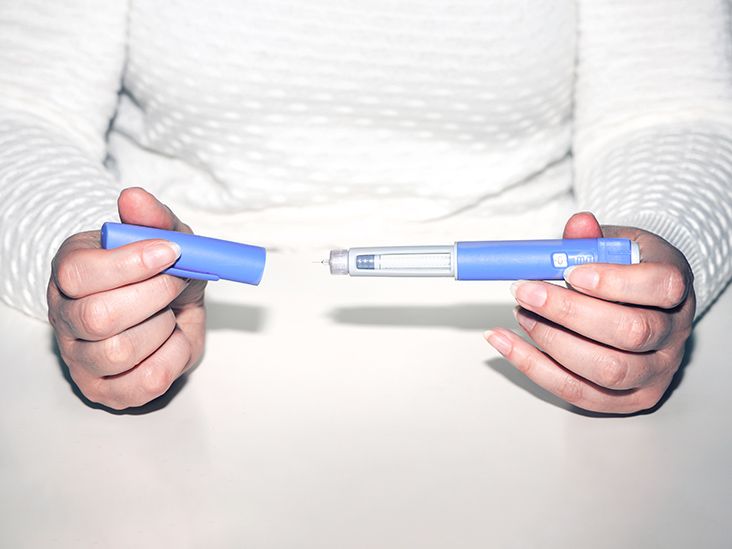
| GLP-1 drugs show early promise for improving fertility in males and females |
 |
|
|
|
| Two recent studies suggest that treating obesity and metabolic dysfunction with GLP-1 drugs could help restore hormonal balance and reproductive function in both women and men. |
| Read on |
|
|
| |
|
|
| |
|
|
|
|
You are receiving this newsletter because you subscribed on our web site, Medical News
Today.
Did a friend send you this email? Subscribe here.
View in Browser | Privacy Policy | Unsubscribe
Our website services, content, and products are for informational purposes only. Medical News Today does not provide medical advice, diagnosis, or treatment and should not be used as a substitute for medical advice from a healthcare professional. Medical News Today encourages you to make any treatment decisions with your healthcare professional. Medical News Today is owned by RVO Health.
© 2026 RVO Health
1101 Red Ventures Drive
Fort Mill, SC 29707 |
|
|
 |





Comments
Post a Comment