Cochrane concluded that anti-amyloid drugs produce no clinically meaningful benefit. Some neurologists say the conclusion is correct, but also misleading.


 Anti-amyloid drugs face a damning verdict — but the newest ones may be different |
A major new analysis of 17 clinical trials with more than 20,000 participants concluded that the current front line in Alzheimer’s treatment — anti-amyloid drugs — are unlikely to make a significant difference to either the severity of symptoms or extent of cognitive decline. They also appear to raise the risk of brain swelling and bleeding.
The lead author, neurologist Francesco Nonino, MD, was direct in his assessment: “There is now a convincing body of evidence converging on the conclusion that there is no clinically meaningful effect.”
But several prominent neurologists pushed back on what the data actually shows.
The review pooled the results from older, largely failed drug trials alongside the recently approved lecanemab and donanemab. Those newer drugs did show statistically significant slowing of decline in their own trials. Whether that translates to meaningful benefit versus real risks is the question researchers are still investigating.
Paul Monroe Butler, MD, PhD, of Harvard Medical School and a neurologist at Mass General Brigham, said: “I wouldn’t accept the premise that anti-amyloid therapy has no clinical viability.”
Researchers are also pursuing tau-targeting therapies, dampening inflammation pathways, and combined approaches that treat Alzheimer’s as the complex disease it appears to be.
For more on what the review says, and what the next generation of treatment might look like, jump to “Alzheimer’s disease: Do anti-amyloid drugs actually work?”
Also making headline this week:
😴 Changes in napping in older adults may signal emerging health problems
🌿 Common pesticide linked to rising early-onset colorectal cancer rates
🦴 Natural GLP-1 found in joint fluid may open a new treatment avenue for arthritis
We love to hear from you, so please email us if you have any feedback, comments, or questions about this weekend’s Sunday Supplement.
Stay informed and stay healthy!
Tim Snaith
Newsletter Editor, Medical News Today
|
|
|
| MNT RESOURCE |
 |
| What to know about cutaneous T-cell lymphoma (CTCL)? |
|
|
|
| Cutaneous T-cell lymphoma (CTCL) is a cancer of the white blood cells. It can cause a rash and other symptoms affecting the skin and wider body. |
| Cutaneous T-cell lymphoma (CTCL) is a cancer of the white blood cells. It can cause a rash and other symptoms affecting the skin and wider body. |
|
|
READ ON  |
|
|
|
| |
|
|
|
|
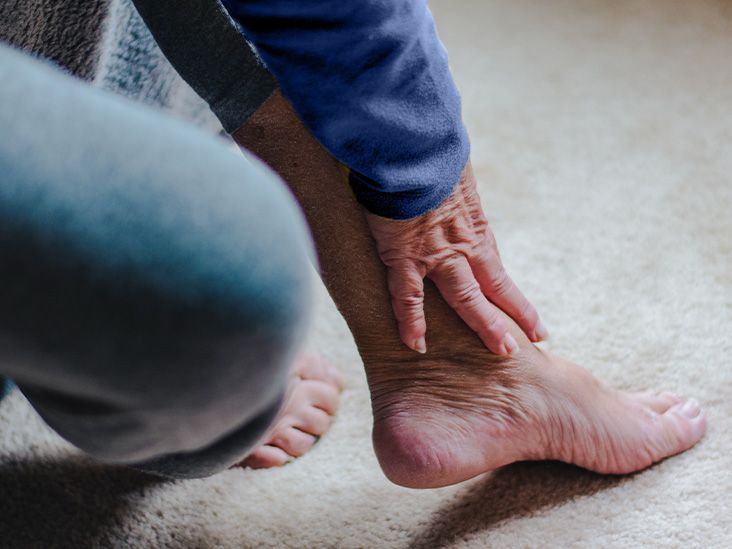
| Natural GLP-1 discovery hidden in joints could revolutionize arthritis treatment |
 |
|
|
|
| Scientists have discovered natural GLP-1 in joint fluid, which could open up a new treatment option for arthritis. |
Read on  |
|
|
| |
| Could anemia increase the risk of developing dementia? |
 |
|
|
|
| People with anemia had a 66% higher chance of developing dementia than those who had normal hemoglobin levels, the results of a long-term study showed. |
| Read on |
|
|
| |
| ADHD in women: Breaking the stereotypes |
 |
|
|
|
| Why does it take longer for women to receive an ADHD diagnosis, and should our understanding of ADHD change? Prof. Davida Hartman, autism and ADHD specialist, joins In Conversation to answer these and other questions. |
| Read on |
|
|
| |
| Frequent or longer naps in older age may signal declining health, study suggests |
 |
|
|
|
| New research suggests that changes to napping patterns in older adults, such as longer or more frequent naps, may signal declining health, serving as a warning sign of underlying or developing conditions. |
| Read on |
|
|
| |
| Pesticide exposure may relate to colorectal cancer in younger adults |
 |
|
|
|
| A new study suggests that a common pesticide, picloram, may contribute to growing rates of early onset colorectal cancer, aside from known risk factors such as smoking and diet. |
| Read on |
|
|
| |
|
|
| |
|
|
|
|
You are receiving this newsletter because you subscribed on our web site, Medical News
Today.
Did a friend send you this email? Subscribe here.
View in Browser | Privacy Policy | Unsubscribe
Our website services, content, and products are for informational purposes only. Medical News Today does not provide medical advice, diagnosis, or treatment and should not be used as a substitute for medical advice from a healthcare professional. Medical News Today encourages you to make any treatment decisions with your healthcare professional. Medical News Today is owned by RVO Health.
© 2026 RVO Health
1101 Red Ventures Drive
Fort Mill, SC 29707 |
|
|
 |




Comments
Post a Comment