A small study suggests vitamin D shifts the immune system from attacking gut bacteria to tolerating them.
  |
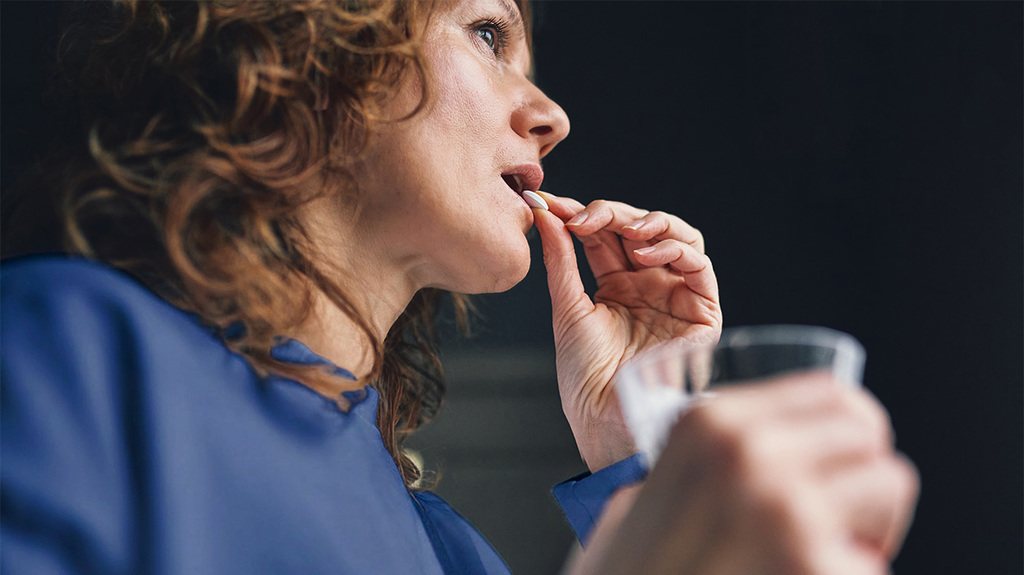 How vitamin D rebalances gut immunity in IBD | Most inflammatory bowel disease (IBD) treatments, such as steroids, immunosuppressants, and biologics, work by reducing inflammation. A new study suggests vitamin D may go beyond this by retraining the immune system to tolerate gut bacteria instead of attacking them.
Researchers gave weekly vitamin D doses to 48 adults with Crohn's disease or ulcerative colitis who were also vitamin D deficient. After 12 weeks, participants showed lower disease activity scores, reduced stool-based markers of inflammation, and a notable shift in two key immune proteins.
"The study suggests that vitamin D supplementation may have a role as a beneficial adjunct to current advanced therapy," said Steven Cohn, MD, PhD, chief of gastroenterology at the University of Texas Medical Branch.
But not everyone reads the results so optimistically. Cristiano Pagnini, MD, PhD, a gastroenterologist at San Giovanni Addolorata Hospital in Rome, warns that the observed biological signals don't yet translate into clear clinical benefit. "There is a risk that mechanistic insights may be overinterpreted when applied to patient care," he cautioned.
For more on this latest research into vitamin D and IBD, jump to "12 weeks of vitamin D helps 'reset' immune system in people with IBD."
Also making headlines this week:
❤️ 9 steps to better heart health, per new AHA dietary guidance
🧠 Brain age 10 years older than actual age? Dementia risk jumps 39%
🍳 Cooking at least one meal at home weekly may cut dementia risk by 67%
We love to hear from you, so please email us if you have any feedback, comments, or questions about this weekend's Sunday Supplement.
Stay informed and stay healthy!
Tim Snaith
Newsletter Editor, Medical News Today
| | |
| | | 9 steps to improve heart health, per new dietary guidance from AHA | 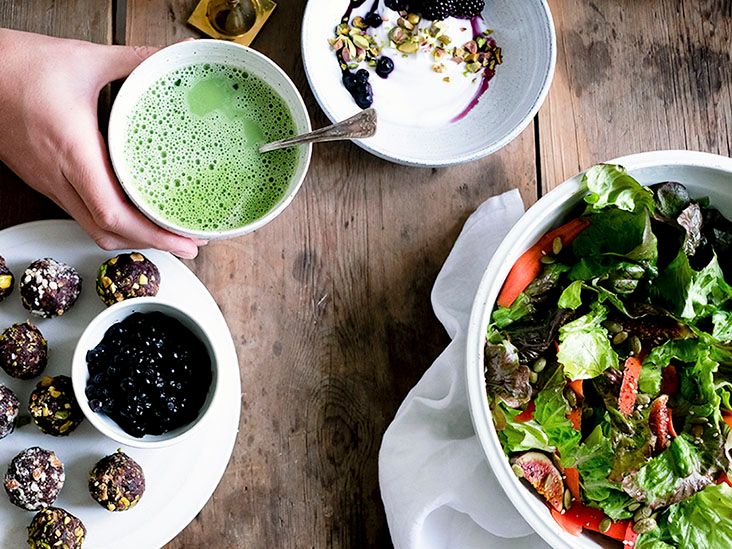 | | | | The new 2026 American Heart Association (AHA) guidelines note nine key steps to better heart health, which include more plant-based foods, and highlight the importance of lifelong healthy eating. | Read on  | | | | | | Could probiotics, dietary changes help protect brain health as we age? | 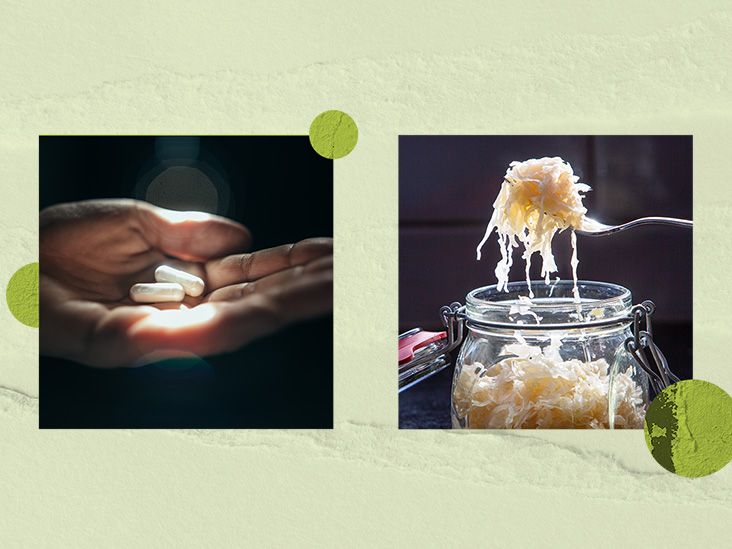 | | | | A new review looks at how probiotics, prebiotics, dietary changes, and fecal microbiota transplants can help support gut health and preserve brain function as people age. | | Read on | | | | | | Eating same meals on repeat, and more at weekends may help you lose more weight | 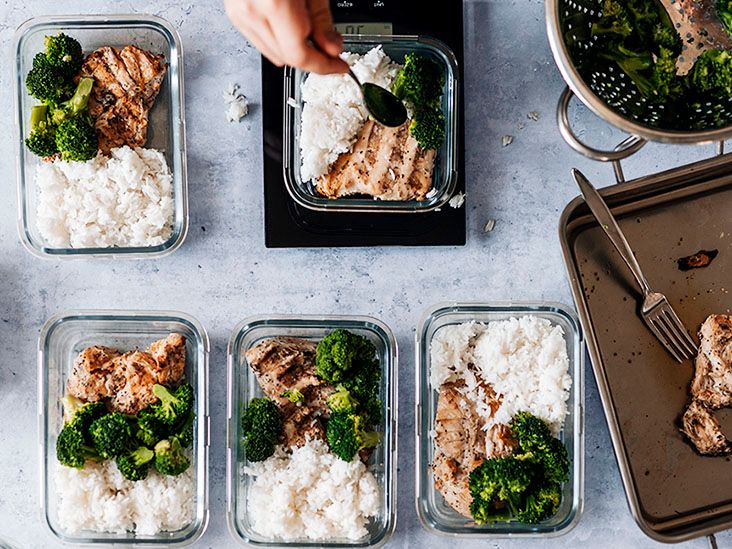 | | | | Eating many "repeat" meals every day and consuming more calories at the weekend may help with weight loss more, a new study indicates. | | Read on | | | | | | How old is your brain, exactly? Brain age may impact dementia risk |  | | | | People whose brain age is older than their actual chronological age by 10 years may have a 39% higher future risk of dementia than peers whose chronological and brain ages coincide, a recent study has found. | | Read on | | | | | | Cooking at least 1 meal at home weekly may cut dementia risk by up to 67% |  | | | | A new study suggests that cooking just one meal at home per week can reduce dementia risk in older people by up to 67%. | | Read on | | | | | | | | | |
You are receiving this newsletter because you subscribed on our web site, Medical News
Today.
Did a friend send you this email? Subscribe here.
View in Browser | Privacy Policy | Unsubscribe
Our website services, content, and products are for informational purposes only. Medical News Today does not provide medical advice, diagnosis, or treatment and should not be used as a substitute for medical advice from a healthcare professional. Medical News Today encourages you to make any treatment decisions with your healthcare professional. Medical News Today is owned by RVO Health.
© 2026 RVO Health
1101 Red Ventures Drive
Fort Mill, SC 29707 | | |  | |




Comments
Post a Comment