NAD levels drop steadily as you get older, weakening everything from energy production to DNA repair. But does taking a supplement actually help?
  |
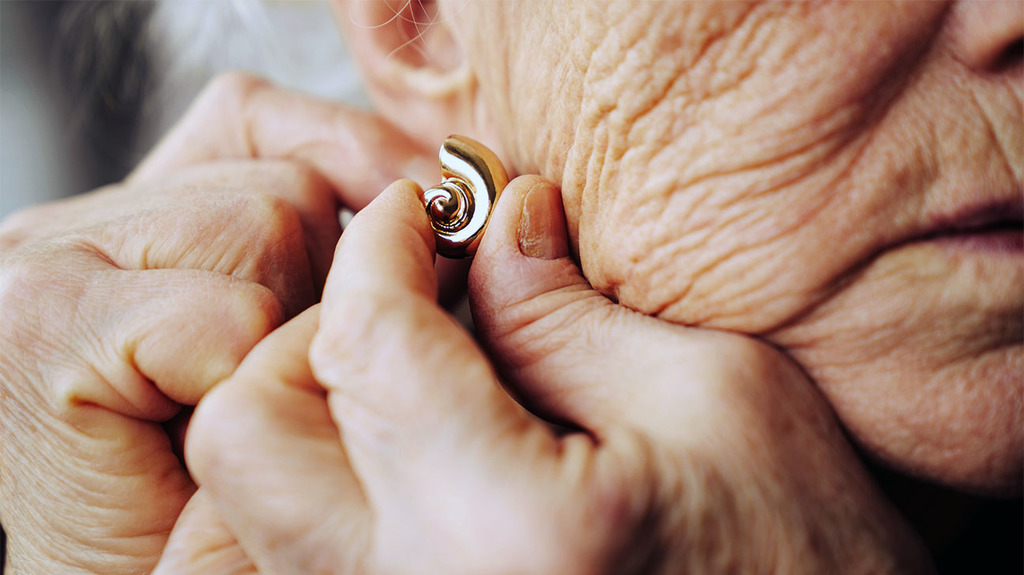 The truth about NAD supplements and aging | Your body contains a molecule called nicotinamide adenine dinucleotide (NAD) that helps power your cells, repair your DNA, and regulate your immune system. And you make less of it every year you're alive.
That fact has turned NAD supplements, typically sold as forms of vitamin B3, into one of the fastest-growing categories in the longevity market. But Şebnem Ünlüişler, Chief Longevity Officer and genetic engineer at the London Regenerative Institute, says the picture is more complicated than supplement labels suggest.
"NAD+ levels decline with age, and this reduction is associated with impaired mitochondrial function, reduced genomic stability, and increased cellular stress," Ünlüişler told Medical News Today. Your body can rebuild its NAD stores from dietary precursors like tryptophan and vitamin B3 — but you can't simply eat your way to higher levels. Aging, inflammation, and metabolic stress all work against you.
So can a supplement bridge the gap? Ünlüişler says restoring NAD levels "may support mitochondrial health and metabolic resilience," but adds a firm caveat: "There is no definitive clinical evidence that NAD+ supplementation slows aging or extends lifespan in humans."
Her advice? Think of NAD supplements as one piece of a larger strategy, not a standalone fix.
To learn more about what the latest research says about this supplement, jump to "Longevity: Can NAD supplements really slow down aging?"
Also making headlines this week:
🧠 Hearing loss and cognitive decline may share a deep connection
🍳 A bigger breakfast may aid weight loss, but should you load up on protein or fiber?
💪 Grip strength in older women could predict longevity, new research suggests
We love to hear from you, so please email us if you have any feedback, comments, or questions about this weekend's Sunday Supplement.
Stay informed and stay healthy!
Tim Snaith
Newsletter Editor, Medical News Today
| | |
| MNT RESOURCE |  | | What is hyperphosphatemia? | | | | Learn all about hyperphosphatemia, when levels of phosphate in the blood are too high. We examine the symptoms, causes, and treatment options. | | Learn all about hyperphosphatemia, when levels of phosphate in the blood are too high. We examine the symptoms, causes, and treatment options. | | | READ ON  | | | | | | | |
You are receiving this newsletter because you subscribed on our web site, Medical News
Today.
Did a friend send you this email? Subscribe here.
View in Browser | Privacy Policy | Unsubscribe
Our website services, content, and products are for informational purposes only. Medical News Today does not provide medical advice, diagnosis, or treatment and should not be used as a substitute for medical advice from a healthcare professional. Medical News Today encourages you to make any treatment decisions with your healthcare professional. Medical News Today is owned by RVO Health.
© 2026 RVO Health
1101 Red Ventures Drive
Fort Mill, SC 29707 | | |  | |










Comments
Post a Comment